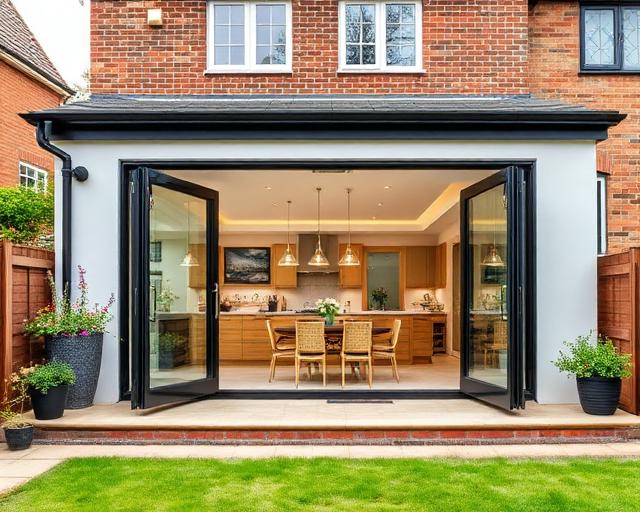
Period Property Renovation in Kent
Kent’s Victorian terraces, Edwardian villas and 1930s semis were built to breathe, and renovating them well means working with that fabric rather than against it. Mighty Oak Construction renovates period properties across Kent from its Tunbridge Wells base: structural repairs, replastering, layout changes and full modernisation, planned around what the building actually is. Every project starts with a free site visit and an itemised written quote.
Old buildings manage moisture differently
A solid-wall Victorian house has no cavity and often no effective damp proof course. It stays dry by absorbing moisture and releasing it again. Seal that wall with cement render, gypsum plaster and vinyl paint and the moisture has nowhere to go — it surfaces as blown plaster, mould and decaying skirtings.
Period renovation therefore starts with compatible materials: lime plaster and pointing where the wall is solid, breathable mineral paints, and repairs that let the fabric keep working. It is slower than modern methods and it is the only approach that lasts.
Victorian and Edwardian houses
The typical Victorian terrace renovation combines structural and fabric work: opening the rear reception rooms with a properly sized steel, repairing or replacing rotten sash-window cills and lintels, re-plastering in lime where the walls demand it, and renewing floors where joist ends have rotted into damp walls.
Edwardian houses bring wider hallways and bigger lofts, and often the question is how to add a bathroom or reconfigure the first floor without destroying the proportions that make the house worth owning. The order of work matters as much as the work itself.
1930s semis
The 1930s semi is Kent’s most renovatable house: cavity walls, a generous plot and a layout that responds well to opening up. Typical projects combine a rear or side extension with a full internal renovation — new heating, rewiring, replastering and a kitchen moved to where the light is. The cavity changes the damp picture entirely, but original steel casements, quarry-tiled floors and first-generation cavity walls each bring their own defects to check.
Listed and conservation-area properties
Where a period property is listed or in a conservation area, consent is checked before any design is drawn. Internal alterations to a listed building can need listed building consent even where no planning application is required, and the fabric-first approach above usually aligns with what conservation officers want to see.
Who does the work
Elliot, founder and third-generation craftsman, is the single point of contact. Brickwork, carpentry, plastering and finishing are in-house, with structural engineers and trusted electrical and plumbing specialists alongside. The firm is fully insured.
Period Property Renovation: questions before commissioning
What is different about renovating a period property?
The fabric. Solid walls, lime mortars and timber structure manage moisture and movement differently from modern construction, and repairs must use compatible materials or they cause the problems they were meant to fix.
Do I need consent to renovate a Victorian house?
Usually not for like-for-like repair and internal work, unless the house is listed or in a conservation area. Structural changes and extensions follow the normal planning and building regulations routes.
Can a period house be made warm without sealing it up?
Yes, with breathable insulation, draught-proofing and heating designed for the building. Sealing an old house with impermeable materials is what causes damp and decay.
Where do I start with a full renovation?
With the structure and the damp picture, then the services, then the finishes. The Victorian renovation order guide sets out the sequence, and the free visit applies it to the actual house.
Renovate with the building, not against it
Book a free site visit to walk the property and talk through the work in the right order, then receive an itemised written quote.